

Orthopedic biomaterials are transforming the landscape of modern medicine. From enhancing bone repair to enabling personalized implants and boosting recovery outcomes, these advanced materials play a pivotal role in orthopedic surgery and regenerative medicine. This comprehensive news article provides a detailed examination of orthopedic biomaterials — what they are, how they work, key technologies shaping the sector, market trends, consumer dynamics, sustainability considerations, competitive landscape, and the road ahead.
Understanding Orthopedic Biomaterials: Definition and Scope
Orthopedic biomaterials are substances — either natural or synthetic — designed for use in musculoskeletal applications to replace, repair, reinforce, or regenerate bones, cartilage, ligaments, tendons, and related tissues. These materials are engineered to be biocompatible, integrating with the human body with minimal adverse response, while fulfilling mechanical, chemical, and biological functions necessary for orthopedic interventions.
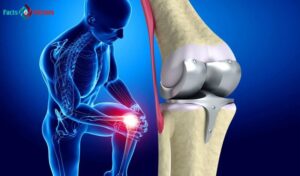

Traditionally, metals like titanium and stainless steel were the mainstay of orthopedic implants due to their strength and durability. Today, however, the field has expanded to include ceramics, polymers, composites, biodegradable materials, and bioactive scaffolds — each chosen based on specific clinical needs and performance requirements.
How Orthopedic Biomaterials Work
Orthopedic biomaterials function by mimicking or supporting natural biological structures. Their roles may include:
-
Structural support: Acting as load-bearing implants in joint replacements or fracture fixation.
-
Biological integration: Encouraging bone and tissue growth around the implant surface.
-
Temporary scaffolding: Providing a framework for cell growth and then degrading as natural tissue regenerates.
-
Guided regeneration: Releasing therapeutic ions or growth factors to accelerate healing.
Materials are selected based on properties such as mechanical strength, biocompatibility, wear resistance, and the ability to bond to bone and soft tissue — all while minimizing immune reactions.
Key Technological Drivers and Innovations
3D Printing and Additive Manufacturing
One of the most significant technological breakthroughs in orthopedic biomaterials has been the adoption of 3D printing. Additive manufacturing enables the creation of patient-specific implants that precisely match an individual’s anatomy — improving fit, reducing surgical complications, and enhancing postoperative outcomes. More complex porous structures can also be designed to facilitate bone ingrowth, increasing implant stability.
Biodegradable and Bioresorbable Materials
There’s a rising demand for biodegradable polymers and materials that are absorbed by the body over time. These eliminate the need for a second surgery to remove hardware and reduce the risk of long-term complications. Materials such as polylactic acid (PLA), polyglycolic acid (PGA), and composite biodegradable polymers are used for applications like fracture fixation and soft tissue repair.
Smart and Responsive Biomaterials
Emerging research is focused on smart biomaterials — those capable of responding to changes in temperature, pH, or mechanical stress to modulate their behavior within the body. These next-generation materials hold promise for enhanced integration, real-time biological feedback, and even controlled drug release to prevent infection or stimulate regeneration.
Surface Modification and Coatings
Surface engineering techniques such as porous coatings, plasma spraying, and bioactive layers (e.g., hydroxyapatite) help implants integrate more effectively with bone by increasing surface area and promoting cell attachment. Such coatings also help reduce the risk of implant loosening or infection.
Current Trends in the Orthopedic Biomaterials Market
Rising Prevalence of Musculoskeletal Disorders
The global orthopedic biomaterials market is expanding in tandem with the increasing incidence of musculoskeletal injuries, degenerative conditions, and age-related disorders such as osteoarthritis and osteoporosis. This trend is a major driver of demand for both reconstructive procedures and advanced biomaterial solutions.
Aging Population Boosting Demand
As populations around the world age, the prevalence of fractures, joint degeneration, and other orthopedic issues rises — leading to greater demand for joint replacements, spinal implants, and fracture fixation devices. This demographic shift is expected to significantly fuel market growth through the next decade.
Shift Towards Minimally Invasive Surgery
Minimally invasive surgical techniques — which often require smaller implants and more precise biomaterial formulations — are gaining popularity due to faster recovery times and reduced postoperative pain. This trend influences how biomaterials are developed, with a focus on ease of implantation and compatibility with advanced surgical tools.
Integration with Regenerative Medicine
There is increasing integration of orthopedic biomaterials with regenerative treatments such as stem cell therapies and growth factor delivery systems. These combined approaches aim to not just replace damaged tissue but stimulate healing and restore function more naturally.
Competitive Landscape
The orthopedic biomaterials market is competitive and diverse, featuring both established multinational medical device companies and innovative startups. Key players include:
-
Global medical technology giants are producing a broad array of orthopedic implants and materials.
-
Specialty firms focused on advanced polymers, ceramics, or bioresorbable technologies.
-
Emerging companies developing smart biomaterials and patient-specific solutions powered by 3D printing.
Major competitors collectively hold a significant portion of the market, but niche innovators continue to gain traction by offering differentiated products and specialized solutions.
Consumer and Clinical Preferences
Patients Seeking Personalized Solutions
Patients and surgeons increasingly prefer customized implants and materials that match individual anatomical and biological needs. Personalized biomaterials — especially those tailored through 3D printing — are perceived to deliver better comfort, improved functionality, and enhanced recovery outcomes.
Safety and Biocompatibility Prioritized
With implants being introduced directly into the body, both safety and long-term biocompatibility are top priorities for clinicians and patients alike. Materials must demonstrate minimal inflammatory response, reliable mechanical performance, and integration with native tissues.
Demand for Fewer Surgical Interventions
Biodegradable and resorbable materials are increasingly preferred because they reduce the need for follow-up surgeries to remove hardware, especially in younger patients or complex trauma cases where long-term implant retention is less desirable.
Sustainability and Ethical Considerations
Environmental and ethical concerns are starting to influence the orthopedic biomaterials sector. This includes:
-
Sustainable Manufacturing: Reducing waste and energy use in production processes.
-
Eco-friendly Materials: Development of biomaterials that are not only safe in the body but also have reduced environmental impact during manufacturing and disposal.
-
Ethical Sourcing: Ensuring raw materials are sourced responsibly and comply with healthcare standards for safety and traceability.
Although sustainability is a newer focus in medical biomaterials compared to consumer goods, increasing regulatory and social expectations are encouraging research into greener biomaterial technologies without compromising clinical performance.
Regulatory and Safety Landscape
Biomaterials must meet strict regulatory standards to ensure patient safety and clinical effectiveness. Depending on the type and intended use of the material — particularly when it interacts with bone or soft tissue — regulatory bodies classify products differently and require rigorous testing for biocompatibility, mechanical performance, sterility, and long-term safety.
The development and approval process for new biomaterials can be lengthy and expensive, but it’s essential for patient protection and clinical confidence.
Future Outlook: Where Orthopedic Biomaterials Are Headed
The future of orthopedic biomaterials is marked by continued innovation and convergence with cutting-edge technologies:
-
Advanced 3D printing: For even more precise patient-specific implants.
-
Smart implants: Equipped with sensors for monitoring healing or detecting complications in real time.
-
Bioactive scaffolds: That not only support tissue but also actively encourage regeneration.
-
Integration with AI: To aid in design, surgical planning, and outcome prediction.
Ongoing research and clinical trials will likely bring new classes of materials and techniques into mainstream use, such as bioinspired composites, responsive biomaterials, and hybrid systems that combine structural support with biological activity.
These advances point toward a future where orthopedic biomaterials do more than replace tissue — they participate in healing, adapt to biological environments, and offer personalized therapeutic workflows that improve patient outcomes across the spectrum of musculoskeletal care.
Conclusion
Orthopedic biomaterials represent a rapidly evolving segment of medical science, blending materials engineering with biological insight to meet the growing demand for effective musculoskeletal repair solutions. Fueled by demographic shifts, technological innovation, and a push for personalized care, this field is at the forefront of medical advancement.
From 3D-printed implants and biodegradable scaffolds to regenerative medicine and smart materials, orthopedic biomaterials are reshaping how fractures are fixed, joints are replaced, and tissues are restored — promising a future with improved patient outcomes, fewer surgical interventions, and enhanced quality of life for millions worldwide.
Read More:
https://www.linkedin.com/pulse/global-biobanking-market-size-reach-usd-8739-billion-2035-6o7uf
https://www.linkedin.com/pulse/north-america-721-cagr-global-automotive-parts-magnesium-die-5t3qf
https://www.linkedin.com/pulse/7867-bn-global-customer-analytics-market-size-expected-grow-omzyf
https://www.linkedin.com/pulse/north-america-82-cagr-fluoropolymer-coating-market-qzutc
https://www.youtube.com/watch?v=QZudOoTV_Ro
https://www.zionmarketresearch.com/report/india-data-center-market
https://www.zionmarketresearch.com/report/functional-service-providers-market
https://www.zionmarketresearch.com/report/unified-communications-as-a-service-ucaas-market
https://www.zionmarketresearch.com/report/north-america-third-party-logistics-market
https://fnfnewsblog.com/2855/neurocosmetics-the-science-driven-future-of-skin-and-mind-wellness/