

Dermaplaning tools have emerged as a pivotal component of modern skincare, both in professional aesthetics clinics and at-home beauty routines. Designed to exfoliate the skin and remove vellus hair (“peach fuzz”), dermaplaning enhances the skin’s texture, promotes smoother makeup application, and improves the absorption of skincare products. With the growing demand for non-invasive, instant, and safe skincare solutions, dermaplaning tools are becoming increasingly popular across diverse demographics.
This article provides a detailed exploration of dermaplaning tools, covering their definition, key insights, technology use, current trends, consumer preferences, competitive landscape, sustainability trends, technological innovations, and future outlook.
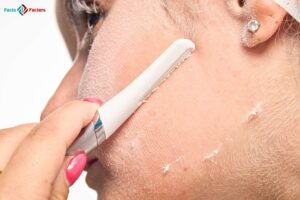

Definition and Overview of Dermaplaning Tools
Dermaplaning tools are specialized devices used for mechanical exfoliation, removing the outermost layer of dead skin cells along with fine facial hair. Traditionally performed by licensed estheticians using surgical-grade scalpels or specialized blades, dermaplaning is now widely accessible through professional-grade devices and safe at-home tools.
The primary goals of dermaplaning are:
-
Exfoliation: Removing dead skin cells to improve texture and radiance.
-
Hair Removal: Eliminating vellus hair to create smoother skin and improve makeup application.
-
Enhanced Product Absorption: Allowing serums and moisturizers to penetrate more effectively.
-
Non-invasive Skin Rejuvenation: Providing immediate visible results without downtime.
Dermaplaning tools are designed with safety and precision in mind, featuring sharp, sterile blades, ergonomic handles, and protective features to minimize the risk of cuts or irritation.
Types of Dermaplaning Tools
Dermaplaning tools can be categorized based on their intended usage and technology:
1. Professional Dermaplaning Tools
-
Surgical-Grade Blades: High-quality, single-use blades used by estheticians in clinics.
-
Safety Handles and Angled Tools: Designed for precision, control, and ergonomic handling.
-
Disposable Blades: Ensure hygiene and minimize the risk of cross-contamination.
2. At-Home Dermaplaning Devices
-
Manual Tools: Small handheld devices with a protective guard to prevent accidental cuts.
-
Electric Dermaplaning Devices: Battery-operated tools with rotating or oscillating blades for easier self-use.
-
Hybrid Devices: Combine exfoliation and micro-vibration for enhanced comfort and efficiency.
3. Complementary Tools
-
Skin Prep Tools: Cleansing brushes or toners designed to optimize skin before dermaplaning.
-
Post-Dermaplaning Devices: Cooling tools, moisturizers, or serums to reduce irritation and maximize results.
Key Insights into Dermaplaning Tools
-
Rising Demand for Non-invasive Skincare: Consumers increasingly prefer treatments that offer instant results without downtime.
-
Shift Toward At-Home Beauty Solutions: The pandemic accelerated the adoption of safe, user-friendly dermaplaning tools for personal use.
-
Professional Adoption: Clinics are integrating dermaplaning into routine facial treatments to offer a complete exfoliation solution.
-
Focus on Safety and Hygiene: Single-use blades and ergonomic designs reduce the risk of cuts, infection, and irritation.
-
Enhancement of Cosmetic Results: Makeup artists and beauty enthusiasts use dermaplaning to create flawless skin surfaces.
Technology Use in Dermaplaning Tools
Modern dermaplaning tools incorporate various technological innovations to improve performance and safety:
-
Ergonomic Design: Handles designed for precision control and reduced hand fatigue during professional or home use.
-
Sterile, Surgical-Grade Blades: Ensure efficient hair and dead skin removal while minimizing irritation.
-
Protective Guards: Prevent accidental cuts and maintain consistent blade angles.
-
Electric and Oscillating Blades: Battery-powered tools increase ease of use for at-home consumers.
-
Smart Connectivity (Emerging): Some advanced devices integrate sensors to optimize exfoliation pressure and duration.
Current Trends in Dermaplaning Tools
-
Rising At-Home Beauty Devices: Consumers are increasingly seeking professional-quality results at home.
-
Combination Treatments: Dermaplaning is being paired with chemical peels, LED therapy, and serums for enhanced outcomes.
-
Personalized Skincare Solutions: Customizable blade sizes and ergonomic designs cater to different skin types and sensitivity levels.
-
Professional Training and Certification: Clinics are investing in staff training to offer safe and effective dermaplaning services.
-
Sustainability in Tool Design: Recyclable handles, biodegradable packaging, and eco-friendly materials are gaining attention.
Consumer Preferences and Expectations
Dermaplaning tool users prioritize the following attributes:
-
Safety: Devices must prevent cuts and irritation.
-
Ease of Use: Intuitive, lightweight tools suitable for home and professional use.
-
Effectiveness: Ability to remove hair and exfoliate without causing skin damage.
-
Hygiene: Single-use blades or easy-to-clean devices to maintain sterility.
-
Portability: Compact design for travel or personal use.
-
Integration with Skincare Routine: Compatibility with serums, moisturizers, and post-treatment care.
Technological Innovations in Dermaplaning Tools
Innovation continues to shape dermaplaning tools for both professionals and consumers:
-
Adjustable Blade Angles: Improve precision for different facial areas.
-
Hybrid Electric Devices: Combine exfoliation and vibration for smoother, less abrasive treatment.
-
Integrated Suction or Extraction: Some professional devices remove exfoliated debris during treatment.
-
Smart Feedback Systems: Emerging tools provide feedback on pressure, speed, or duration to optimize safety.
-
Eco-Friendly Materials: Recyclable blades and biodegradable handles reduce environmental impact.
Sustainability Trends
Sustainability in dermaplaning tools is gaining prominence, particularly among eco-conscious consumers:
-
Single-Use Blade Recycling Programs: Minimize environmental footprint while maintaining hygiene.
-
Biodegradable Packaging: Reduces waste associated with retail and professional products.
-
Durable Device Handles: Electric or reusable components designed to last for multiple blade replacements.
-
Eco-Certifications: Devices adhering to environmentally friendly manufacturing standards are preferred by certain consumer segments.
Competitive Landscape
The dermaplaning tools market is highly competitive, with both established skincare brands and niche startups competing to offer safe, effective, and innovative solutions.
Key Market Players
-
Edgewell Personal Care (Schick Hydro Dermaplaning) – Offers at-home dermaplaning kits with user-friendly designs.
-
Conair Corporation – Provides electric dermaplaning devices for home use with ergonomic handles.
-
GloPRO (BeautyBio) – Specializes in multifunctional dermaplaning devices combining exfoliation and micro-needling benefits.
-
PMD Beauty – Known for at-home dermaplaning and skin rejuvenation devices with integrated technology.
-
Dermaflash – Offers professional-grade and home-use dermaplaning tools with disposable blade cartridges.
-
Careprostics – Focuses on safety-engineered disposable blades for professional aesthetics.
-
SpaMedica Supplies – Supplies professional dermaplaning instruments to clinics and spas.
-
Tweezerman – Manufactures precision dermaplaning tools for professional and home use.
-
LumaDerm – Emerging brand integrating dermaplaning with LED and skincare technology.
Challenges in Dermaplaning Tools
-
Risk of skin irritation or cuts, particularly with inexperienced users.
-
Consumer hesitation regarding at-home devices versus professional treatment.
-
Environmental concerns related to disposable blades and packaging.
-
Ensuring consistent performance across different skin types and sensitivities.
-
Regulatory compliance in certain markets for medical-grade devices.
Future Outlook
The future of dermaplaning tools is promising, driven by consumer demand for safe, effective, and non-invasive skincare:
-
Increased adoption of professional-grade tools for at-home use.
-
Expansion into emerging markets with rising awareness of skincare and grooming.
-
Integration of smart technology, sensors, and AI-driven guidance.
-
Focus on sustainable materials and eco-friendly device design.
-
Greater combination treatments, integrating dermaplaning with other facial therapies for enhanced results.
As both consumers and professionals seek innovative, safe, and convenient solutions, dermaplaning tools are expected to remain a growing segment of the skincare and beauty device market.
Conclusion
Dermaplaning tools are transforming how individuals and professionals approach exfoliation, facial hair removal, and skincare routines. By offering precision, safety, and convenience, these devices meet evolving consumer expectations while supporting professional aesthetic practices. With continued technological innovation, increased sustainability efforts, and rising awareness of at-home beauty solutions, dermaplaning tools are positioned to remain a key driver in the global skincare and personal care industry.