

The automotive USB Power Delivery (USB PD) system has emerged as a critical feature in modern vehicles, addressing the growing need for fast, safe, and versatile charging for consumer electronics. As passengers increasingly rely on smartphones, tablets, laptops, and other USB-powered devices, automotive USB PD systems are becoming a standard expectation in both passenger and commercial vehicles.
This news article provides an in-depth exploration of automotive USB Power Delivery systems, covering definition, key insights, technology applications, current trends, consumer preferences, technological innovations, sustainability trends, competitive landscape with key market players, challenges, and future outlook.
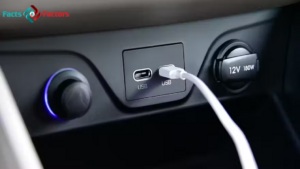

Definition and Overview of Automotive USB Power Delivery Systems
Automotive USB Power Delivery systems are integrated vehicle technologies that provide regulated and high-speed charging for electronic devices via USB connections. Unlike conventional USB ports with limited power output, USB PD allows dynamic adjustment of voltage and current to match the requirements of connected devices, enabling rapid and efficient charging.
Key features of automotive USB PD systems include:
-
High-Power Charging: Supports devices requiring higher wattages, such as laptops and tablets.
-
Intelligent Power Management: Automatically negotiates the optimal voltage and current for safe and efficient charging.
-
Multiple Port Options: Enables simultaneous charging of multiple devices without performance degradation.
-
Integration with Vehicle Systems: Often tied into the vehicle’s onboard power management and infotainment systems.
Automotive USB PD systems enhance passenger convenience, support emerging mobility lifestyles, and complement the growth of connected and smart vehicles.
Key Insights into Automotive USB PD Systems
Several factors highlight the increasing relevance of automotive USB Power Delivery systems:
-
Growing Device Dependency: Consumers increasingly rely on portable electronics for work, navigation, and entertainment during travel.
-
High-Power Device Requirements: USB PD supports modern devices that require higher voltage (up to 20V) and current for fast charging.
-
Enhanced Passenger Experience: Automotive USB PD systems contribute to convenience, productivity, and infotainment engagement.
-
Vehicle Electrification Trends: Electric and hybrid vehicles benefit from smart power management to optimize battery and accessory energy use.
-
Connectivity and Smart Mobility: USB PD systems integrate with infotainment, data communication, and device synchronization features.
These insights underline the role of USB PD as a bridge between automotive technology and consumer electronics.
Types of Automotive USB Power Delivery Systems
Automotive USB PD systems can be categorized based on port type, power rating, and functional integration:
1. USB Type-C PD Ports
Provide reversible connectors and high-power delivery up to 100W, supporting fast charging of laptops, tablets, and smartphones.
2. Multi-Port USB PD Hubs
Allow simultaneous charging of multiple devices with smart power allocation.
3. Integrated Infotainment USB PD
Ports embedded in center consoles or dashboards, integrated with infotainment and vehicle software for device detection and communication.
4. Rear-Seat or Passenger-Focused USB PD Systems
Ports installed for rear passengers or commercial vehicle users, often integrated with entertainment systems.
5. Portable or Modular USB PD Chargers
Accessory units that plug into the vehicle power system and offer dynamic power delivery options.
Technology Use in Automotive USB PD Systems
Advances in electronics and automotive integration underpin the functionality of USB PD systems:
-
Power Management ICs (PMICs): Ensure safe and efficient voltage and current regulation.
-
Dynamic Load Sharing: Distributes power among multiple ports without compromising charging speed.
-
Over-Current and Over-Voltage Protection: Prevents damage to devices and vehicle electronics.
-
Thermal Management: Minimizes heat generation during high-power charging.
-
Communication Protocols: USB PD 3.0 and PD 3.1 standards enable device identification and optimal power negotiation.
-
Integration with Vehicle Battery Management: Ensures energy-efficient operation without overloading the vehicle power system.
These technologies ensure USB PD systems are both safe and user-friendly.
Current Trends in Automotive USB PD Systems
-
Rapid Adoption in EVs and Hybrids: High-energy vehicles integrate USB PD as part of smart charging systems.
-
Multiple High-Power Ports: Vehicles are increasingly offering several USB PD ports for simultaneous charging.
-
Compact and Ergonomic Designs: USB PD ports are integrated into sleek vehicle interiors.
-
High-Wattage Support: Up to 100W power delivery is becoming standard for premium vehicles.
-
Integration with Wireless Technologies: Combining USB PD with wireless charging and infotainment systems.
-
Standardization of USB Type-C: Growing adoption of USB-C as a universal charging standard across vehicles.
Consumer Preferences and Vehicle Expectations
Consumer expectations significantly influence automotive USB PD system design:
-
Fast and Safe Charging: Devices should charge rapidly without overheating or safety concerns.
-
Accessibility and Port Placement: Ports conveniently located for driver, front passenger, and rear-seat users.
-
High Compatibility: Support for a wide range of smartphones, tablets, and laptops.
-
Durability: Ports must withstand repeated insertion and removal of cables.
-
Integration with Vehicle Systems: Users prefer seamless connectivity with infotainment, navigation, and data systems.
-
Future-Proofing: Support for higher wattage and emerging USB PD standards.
Technological Innovations in Automotive USB PD Systems
Innovation is a key driver of automotive USB PD system adoption:
-
Smart Power Allocation: AI-based management distributes power optimally across multiple devices.
-
Adaptive Fast Charging: Dynamically adjusts voltage and current based on device state.
-
Embedded Diagnostics: Detects port or cable faults and protects connected devices.
-
Energy-Efficient Design: Reduces draw on vehicle battery for improved fuel efficiency and EV range.
-
Integration with Vehicle Telematics: Provides device status, charging metrics, and software updates through infotainment systems.
These innovations enhance usability, safety, and energy efficiency.
Sustainability Trends
Sustainability in automotive USB PD systems focuses on energy efficiency, durability, and environmental responsibility:
-
Efficient Power Conversion: Minimizes energy loss during charging.
-
Durable Materials: Reduce replacements and electronic waste.
-
Integration with EVs: Supports lower vehicle emissions through optimized battery management.
-
Standardized Components: USB-C and PD standards reduce electronic redundancy and material waste.
-
Eco-Friendly Manufacturing: Low-impact electronics production and packaging.
Sustainable design practices ensure that USB PD systems contribute to greener mobility.
Competitive Landscape
The automotive USB Power Delivery market features global electronic component manufacturers, automotive suppliers, and integrated system providers. Key competitors differentiate through innovation, compatibility, and integration expertise.
Key Market Players
-
TE Connectivity Ltd. – Provides USB PD connectors, ports, and integrated electronic solutions for vehicles.
-
Molex LLC – Offers automotive USB PD interfaces and connectivity solutions.
-
Delphi Technologies – Supplies smart charging systems and USB PD-enabled modules for vehicles.
-
Harman International (Samsung Group) – Integrates USB PD in infotainment and connected car solutions.
-
Amphenol Corporation – Develops ruggedized USB PD ports for automotive applications.
-
Continental AG – Provides USB PD-enabled interior electronics for passenger comfort and connectivity.
-
Panasonic Corporation – Supplies automotive-grade charging systems including USB PD technology.
-
LG Electronics Inc. – Integrates USB PD ports into infotainment and connected car systems.
-
Bosch Mobility Solutions – Designs USB PD-enabled electronics for automotive and commercial vehicles.
-
Foxconn Technology Group – Offers high-volume USB PD solutions for next-generation vehicle interiors.
Challenges and Limitations
-
Device Compatibility Issues: USB PD must accommodate diverse voltage and current requirements.
-
Integration Complexity: Connecting USB PD systems with vehicle electronics requires precise engineering.
-
Heat Management: High-power charging generates heat that must be safely dissipated.
-
Cost Considerations: High-wattage ports and electronics add to vehicle manufacturing costs.
-
Standardization Across Models: Ensuring uniform performance across different vehicles can be challenging.
Future Outlook
The automotive USB PD system market is poised for strong growth, driven by increasing device usage, EV adoption, and demand for convenience and connectivity:
-
Wider integration in all vehicle segments, including budget models.
-
Expansion of high-wattage, multi-port systems to support future devices.
-
Enhanced AI-driven power management for optimized charging.
-
Combination with wireless and smart charging technologies.
-
Greater focus on energy-efficient designs compatible with EV power systems.
Automotive USB PD systems are set to become a standard feature, redefining in-car connectivity and passenger convenience.
Conclusion
Automotive USB Power Delivery systems have transformed in-vehicle charging, enabling safe, fast, and intelligent power transfer for a growing array of consumer electronics. By integrating with infotainment, vehicle energy management, and connected systems, USB PD enhances both driver and passenger experiences.
As vehicles become increasingly digital and electrified, USB PD systems will continue to evolve with higher power delivery, intelligent management, and seamless integration, supporting the connected mobility landscape of the future.