In-Depth Look at Lithium Cobalt Oxide Cathode Materials — Technology, Trends, Sustainability, and Market Dynamics
Lithium cobalt oxide (LCO) cathode materials stand among the foundational components of modern lithium-ion battery technology. While new cathode chemistries and evolving energy storage needs are reshaping the industry, LCO continues to play a significant role — particularly in portable electronics and specific battery segments — underscoring ongoing innovation, market shifts, and sustainability challenges. This detailed news-style feature provides a comprehensive, step-by-step analysis of LCO cathode materials, covering definition, key insights, technological development, current trends, consumer preferences, innovations, sustainability movements, and future directions shaping the global energy storage landscape.
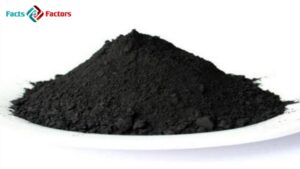
>>> For more information about the report, please visit: https://www.fnfresearch.com/lithium-cobalt-oxide-cathode-materials-market
What Are Lithium Cobalt Oxide Cathode Materials? — Definition and Context
Lithium cobalt oxide is a layered oxide compound widely used as the cathode in certain lithium-ion batteries. It functions as an intercalation host for lithium ions: during charging, lithium ions move from the cathode to the anode, and during discharge they return — enabling energy storage and delivery. LCO’s structure offers stable cycling performance and a relatively high energy density, which made it one of the first commercially successful cathode materials in consumer electronics.
Historically, LCO became prevalent in portable devices such as smartphones and laptops due to its favorable energy-to-weight ratio and reliable voltage profile. Though newer cathodes with nickel, manganese, or iron components are gaining ground in electric vehicles (EVs) and other large-format applications, LCO remains a core material where compact high-energy cells are essential.
Key Insights — Performance, Adoption, and Limitations
LCO cathode materials deliver stable electrochemical performance and relatively high charge/output efficiency, which explains their longstanding use in consumer electronics. The material’s stability under repeated charge-discharge cycles and consistent voltage output make it attractive for devices that prioritize longevity and reliability over bulk energy capacity.
However, compared to alternative chemistries like nickel-rich NMC (nickel-manganese-cobalt) or LFP (lithium iron phosphate), LCO has certain limitations:
-
Typically lower energy density and power compared with advanced nickel-rich cathodes.
-
Thermal stability concerns, especially under high-stress charging and large cell formats.
-
Dependence on cobalt, a material with supply, ethical, and environmental complexities.
These factors have driven research toward enhanced performance as well as reduced cobalt content without compromising LCO’s proven benefits.
Technological Use and Innovations in LCO Cathode Materials
Advanced Materials Engineering
Innovation in LCO technology increasingly focuses on material processing and structure optimization:
-
Surface and particle coatings help stabilize cathode particles, improve cycle life, and reduce degradation, addressing historical performance limitations.
-
Particle morphology enhancements and dopants enhance ion transport and uniformity to boost energy efficiency.
-
Research also explores hybrid cathodes that blend LCO with other materials to strike a balance between performance, cost, and sustainability.
These advances help LCO stay relevant even as competing cathode materials evolve.
Current Trends — Market Shifts and Adoption Patterns
Emerging Market Demand
LCO remains significant in consumer electronics due to its compact size and mature manufacturing infrastructure. The drive for lightweight, fast-charging batteries in mobile devices continues to underpin demand for LCO cathodes.
Simultaneously, electric vehicle battery technology is reshaping demand profiles. While LCO is less common in EVs compared to alternatives like NMC or LFP, it still factors into emerging hybrid cell designs where specific performance characteristics are needed.
Download Full PDF Sample Copy of Lithium Cobalt Oxide Cathode Materials Market Report @ https://www.fnfresearch.com/sample/lithium-cobalt-oxide-cathode-materials-market
Competition from Alternative Chemistries
A major trend reshaping the cathode landscape is the shift toward cobalt-free and low-cobalt cathodes, driven by performance, cost, and sustainability motivations:
-
LFP batteries are gaining share in EV markets due to safety and cobalt-free formulations.
-
Nickel-rich cathodes (NMC/NCA) are preferred in high-performance EVs for their superior energy density.
This competitive dynamic affects LCO’s market share — particularly in sectors where cobalt dependency and cost pressures are most acute.
Consumer Preferences and Expectations
Performance and Reliability
End-users of devices powered by LCO batteries prioritize consistent performance, longevity, and rapid charging capabilities. These preferences are reflected in how battery manufacturers deploy LCO cathodes in portable electronics and select applications where energy density and stability are key selling points.
Sustainability and Ethics Awareness
Consumer awareness of supply chain ethics and environmental impact influences demand for sustainably produced batteries. As users become more informed about raw material sourcing — especially cobalt mining practices — pressure mounts on manufacturers to adopt transparent and ethically responsible processes.
This trend is driving attention toward traceable sourcing, recycled materials, and reduced reliance on high-risk supply regions.
Technological Innovation Beyond Materials
Beyond material science, innovation encompasses manufacturing and digital integration:
-
Automation and precision control in cathode fabrication improve consistency and reduce defects — critical for high-performance battery cells.
-
Simulation and AI-driven design tools enable faster iteration and optimization of cathode formulations.
-
Integration of advanced quality analytics in production lines enhances yield and performance predictability.
Collectively, these innovations contribute to stronger battery reliability and faster time-to-market for next-generation LCO variants.
Sustainability Trends — Ethics, Recycling, and Circular Economy
Cobalt Sourcing Challenges
Cobalt’s critical role in LCO cathodes raises sustainability and ethical concerns due to mining conditions and geographic concentration. A significant portion of the global cobalt supply originates in regions with challenging labor and environmental practices, intensifying scrutiny from consumers and regulators.
Recycling and Closed-Loop Strategies
To address these issues, industry players are investing in recycling technologies that recover cobalt, lithium, and other valuable components from spent batteries. Advanced processes can reclaim a high percentage of critical materials, reducing pressure on primary mining and supporting circular supply chains.
Such strategies align with broader industry initiatives to reduce waste, mitigate supply risk, and improve environmental impact — particularly in regions with strict regulatory frameworks or consumer demand for sustainable products.
Traceability and Ethical Sourcing
Companies are also enhancing traceability measures to ensure ethical and responsible cobalt procurement. This includes partnerships with mining firms, adoption of blockchain tracking systems, and greater transparency in supply chains — responses to both regulatory expectations and consumer demand for accountability.
Global Market Dynamics and Strategic Movements
Regional Leadership and Manufacturing Hubs
The LCO cathode materials market is geographically concentrated, with Asia Pacific — particularly China — dominating production capacity. This concentration provides cost advantages and scale but also presents geopolitical risk; disruptions can impact global supply.
Europe and North America are actively investing in localized supply chains to diversify risk and support domestic innovation, while also prioritizing sustainable sourcing and recycling infrastructure.
Strategic Partnerships and Industry Initiatives
Recent commercial developments, including strategic collaborations between cathode suppliers and battery manufacturers, reflect efforts to secure stable material supply and tailor LCO compositions for specific applications.
These partnerships are critical in coordinating supply chain resilience and ensuring technology alignment amid shifting industry priorities.
Future Outlook — Balance of Legacy and Innovation
The future of LCO cathode materials is shaped by dual forces: LCO’s established performance in niche applications and the broader push toward low-cobalt or cobalt-free alternatives. As battery technology evolves, LCO will likely persist where its unique combination of performance, compact energy density, and proven reliability remain unmatched.
However, the industry trajectory suggests:
-
Continued innovation in material optimization and hybrid cathodes to improve performance and reduce cobalt intensity.
-
Stronger emphasis on recycling and ethical sourcing as sustainability becomes a competitive differentiator.
-
Increased competition from cobalt-free chemistries in EV and grid-scale applications.
This complex interplay of technology, consumer priorities, and environmental responsibility will determine how LCO fits into the broader energy storage ecosystem in the years ahead.
Conclusion — LCO at a Crossroads of Innovation and Responsibility
Lithium cobalt oxide cathode materials remain an important pillar of modern battery technology, particularly in sectors where compact size and high energy density matter most. While evolving market dynamics and emerging technologies challenge LCO’s dominance in certain applications, ongoing advancements in material science, sustainability practices, and ethical sourcing continue to redefine its relevance.
In an era where energy storage is critical to both consumer connectivity and global decarbonization efforts, LCO exemplifies a legacy technology adapting to new performance expectations and ethical imperatives. The evolving landscape underscores not just the technical vitality of cathode materials, but also the expanding role of sustainability, transparency, and innovation in shaping the future of batteries around the world.
Read More:
https://www.linkedin.com/pulse/2032-latest-report-global-packaging-machinery-market-size-pp79f
https://www.linkedin.com/pulse/global-neurovascular-stents-market-2034-industry-size-share-cypof
https://www.linkedin.com/pulse/north-polyether-ether-ketone-market-size-share-industry-trends-btk9f
https://www.linkedin.com/pulse/global-pneumococcal-vaccine-market-report-key-mirzc
https://www.youtube.com/watch?v=QZudOoTV_Ro
https://www.zionmarketresearch.com/report/gastroenterology-products-market
https://www.zionmarketresearch.com/report/wind-power-market
https://www.zionmarketresearch.com/report/non-invasive-blood-glucose-monitoring-devices-market
https://www.zionmarketresearch.com/report/surgical-masks-market