Alcohol Based Markers – Uses, Features, Benefits & Buying Guide
Definition: What Makes Alcohol-Based Markers Unique
Alcohol-based markers have solidified their position as essential tools in the realms of art, design, education, and crafting. Renowned for their vibrant pigmentation, rapid drying times, and exceptional blending capabilities, these markers continue to captivate both professional illustrators and casual hobbyists. As creative pursuits gain momentum amid digital fatigue and a renewed emphasis on hands-on expression, the category experiences steady expansion. This detailed exploration examines the core attributes of alcohol-based markers, recent market insights, evolving preferences, competitive forces, and forward-looking developments shaping their trajectory in the current landscape.
Definition and Core Characteristics
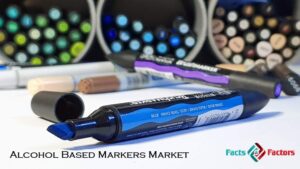
Alcohol-based markers feature inks suspended in alcohol solvents, distinguishing them from water-based or oil-based counterparts. The alcohol carrier enables quick evaporation, resulting in fast-drying applications that resist smudging and allow immediate layering. Pigments deliver intense, saturated colors with high lightfastness, ensuring artwork maintains vibrancy over extended periods.
Most models incorporate dual-tip designs: one end typically offers a broad chisel for filling large areas, while the other provides a fine bullet or brush tip for detailed work. This versatility supports techniques ranging from smooth gradients to precise line art. The markers perform best on specialized smooth papers to minimize bleeding, though their permanence extends to surfaces like plastic, glass, and fabric in certain formulations. Lower odor profiles compared to older solvent options enhance user comfort during prolonged sessions, though proper ventilation remains advisable.
Historical Evolution and Enduring Appeal
Originating from mid-20th-century felt-tip innovations, alcohol-based markers advanced significantly in the 1980s and 1990s. Early solvent-based versions gave way to alcohol formulations that addressed smearing issues in professional photocopying and design workflows. Pioneering brands introduced refillable systems, emphasizing longevity and precision for graphic artists, manga creators, and architects.
Over time, the category broadened to encompass hobbyist markets, fueled by adult coloring phenomena and social media sharing of hand-crafted pieces. Today, these markers represent a mature yet dynamic segment, blending professional heritage with accessible creativity.
Market Insights and Growth Trajectory
- Industry analyses indicate robust, consistent expansion for alcohol-based markers. Recent estimates place the global market value around USD 2.3 to 2.35 billion in recent years, with projections forecasting steady compound annual growth rates between approximately 4.9% and 5.9% through the late 2020s and into the 2030s. This growth stems from heightened interest in artistic hobbies, expanded art education initiatives, and the proliferation of DIY culture.
- Rising disposable incomes in emerging regions, coupled with youth-driven creative trends, contribute significantly. E-commerce platforms have democratized access, enabling global reach for diverse color sets and accessories. While exact figures vary across reports, the consensus points to sustained demand, particularly in art supplies and educational sectors.
Current Trends Driving Popularity
Several patterns define the contemporary scene for alcohol-based markers. Premiumization prevails, with consumers favoring extensive palettes, ergonomic barrels, and superior blending performance. Seasonal surges align with holiday crafting, back-to-school periods, and social media challenges that spotlight intricate illustrations.
The integration of markers into mixed-media projects—pairing them with digital sketches or traditional paints—reflects hybrid creativity. Therapeutic applications, such as mindful coloring for stress relief, sustain hobbyist engagement. Online communities amplify techniques like realistic shading and vibrant landscapes, keeping the tools relevant in a visually oriented digital age.
Competitive Landscape and Brand Dynamics
- The market features a mix of legacy leaders and value-oriented challengers. Established names maintain dominance through superior ink quality, refillable options, and professional-grade durability. These brands often set benchmarks for color accuracy and tip resilience.
- Affordable alternatives have gained substantial traction, offering comparable blending and large sets at accessible price points, appealing to beginners, students, and large-volume users. Mid-range options balance quality and cost, frequently incorporating innovative features like enhanced brush tips. Niche entrants target specific applications, such as portrait rendering or textile work.
- Competition fosters ongoing enhancements, including odor reduction, tip longevity, and expanded shade ranges. Collaborations with subscription services and influencer endorsements further intensify brand visibility.
Consumer Preferences and Buying Drivers
Users prioritize seamless blending for gradients and depth, favoring markers that layer without streaking. Vibrant, fade-resistant colors rank highly, alongside dual-tip functionality for varied techniques.
Budget considerations influence selections, particularly among newcomers who seek comprehensive sets without premium pricing. Durability, including tip wear resistance and ink longevity, matters for frequent users. Low-odor and non-toxic attributes attract families and educators.
Increasingly, refillability appeals to those valuing cost savings and reduced environmental impact. Versatility across paper types and surfaces broadens appeal for crafters and mixed-media enthusiasts.
Technological Innovations Enhancing Functionality
Advancements focus on user experience and efficiency. Refillable ink systems extend product life, with cartridges available in broad spectrums for precise color matching. Pressure-sensitive brush tips enable dynamic line variation, mimicking traditional tools.
Ink formulations incorporate improved flow agents for streak-free application and enhanced saturation. Colorless blenders facilitate subtle transitions and corrections. Emerging integrations with digital tools allow simulation of marker effects for pre-planning.
Sustainability Trends and Eco-Conscious Shifts
Environmental awareness reshapes the category. Refillable designs dramatically cut plastic waste by enabling multiple refills per barrel. Manufacturers explore low-volatile organic compound inks and alternative solvents to minimize emissions.
Packaging adopts recyclable materials and reduced-plastic approaches. Some brands pursue biodegradable components and plant-derived elements. Certifications for safety and eco-friendliness gain prominence, resonating with conscious consumers. Industry partnerships promote recycling programs, aligning markers with broader sustainability goals.
Read More News – https://fnfnewsblog.com/2933/automotive-shock-absorber-the-backbone-of-ride-comfort-safety-and-vehicle-stability/
Diverse Applications Across Fields
Alcohol-based markers excel in illustration, where they capture nuanced shading in comics, fashion sketches, and concept art. Crafters employ them for personalized cards, scrapbooks, and custom decorations.
In education, their quick-drying nature supports interactive lessons and visual storytelling. Professionals use them for architectural renderings and product prototyping. On non-porous surfaces, they enable durable markings for signage and prototypes. Portability suits outdoor sketching and travel journaling.
Persistent Challenges and Solutions
Bleeding on unsuitable papers requires specialized substrates, potentially limiting improvisation. Rapid drying can cause streaking during hasty layering, demanding practiced timing.
Environmental scrutiny over solvents spurs formulation improvements. Tip degradation from abrasive use highlights storage importance. Cost barriers for expansive sets affect entry-level adoption, though budget lines mitigate this.
Education on best practices and material compatibility helps overcome these hurdles.
Future Prospects and Emerging Horizons
The outlook remains optimistic, with continued growth anticipated from expanding creative communities and wellness-oriented hobbies. Further sustainability innovations, including greener solvents and smart features like app-linked shade selection, promise enhanced appeal.
Digital-analog convergence may yield hybrid tools bridging physical and virtual realms. Global e-commerce expansion will broaden accessibility, especially in developing markets. Regulatory pressures on emissions will accelerate eco-friendly transitions.
Alcohol-based markers stand as enduring symbols of accessible artistry, evolving to meet modern demands while preserving their core strengths in color, control, and creativity. As trends progress, these tools will likely inspire new generations, coloring an increasingly expressive world.