Anti-Aging: Pioneering the Quest for Youthful Vitality and Extended Healthspan in 2026
Anti-aging has evolved beyond cosmetic endeavors to include cutting-edge science aimed at prolonging healthspan—the number of years spent in excellent health—while thwarting the biological processes of aging in a time when living longer is increasingly associated with living better. Thanks to developments in biotechnology, artificial intelligence, and personalized medicine, anti-aging strategies today combine prevention, reversal, and optimization, ranging from regenerative skincare practices to systemic therapies that target cellular decline. The sector is pushing forward with innovations that promise to change what it means to grow older as populations throughout the world age and customers demand evidence-based answers.
The definition of anti-aging, important insights into technology use, current trends, competitive landscape, consumer preferences, technological innovations, sustainability trends, additional perspectives on challenges, and the bright future outlook are all covered in detail in this in-depth news article. With research producing real discoveries and the worldwide industry growing quickly, anti-aging is at the forefront of contemporary health and wellness.
Definition of Anti-Aging
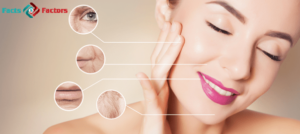
The term “anti-aging” encompasses a wide range of methods, goods, cures, and therapies intended to lessen, stop, or even reverse the physiological effects of aging. In addition to treating internal characteristics like cellular senescence, telomere shortening, epigenetic modifications, mitochondrial dysfunction, and chronic inflammation, this entails reducing outward manifestations like wrinkles and drooping skin.
Anti-aging has expanded to include longevity medicine, which includes medications, gene therapies, lifestyle changes, and regeneration techniques, in addition to cosmetics, creams, serums, and surgeries. The objective changes from achieving a young appearance to improving general vitality, lowering the risk of age-related diseases, and fostering cellular resilience. In 2026, proactive, all-encompassing approaches that promote skin health, metabolic function, and mental acuity for long-term well-being are the focus of anti-aging.
Key Insights:
The main technologies underlying anti-aging are senolytics, which eliminate malfunctioning “zombie” cells; NAD+ boosters, which replenish mitochondrial energy; and epigenetic reprogramming, in which Yamanaka factors reset cellular age. CRISPR allows for precise gene changes to target aging pathways, while AI speeds up drug development by searching through large datasets for longevity molecules.
In skincare, AI-driven diagnostics tailor regimens based on genetic profiles or real-time skin analysis, while nanotechnology delivers active ingredients deeper into skin layers. Exosomes and stem cells are examples of regenerative techniques that aid in tissue regeneration, and devices that stimulate collagen use LEDs, radiofrequency, and microcurrent. These technologies combine topical, systemic, and procedural components to provide a holistic approach to age prevention.
Current Trends Shaping
- As “pro-longevity” and “anti-aging” become more popular, prevention, skin resiliency, and cellular health are given precedence over temporary solutions. Peptides, growth factors, exosomes, and PDRN are examples of regenerative substances that consumers embrace in order to promote long-term repair.
- With an emphasis on antioxidants, SPF for everyday protection, and microbiota support, longevity permeates mainstream wellness. Younger generations are more receptive to early intervention, which emphasizes holistic habits, barrier strength, and hydration. Systemic trends include the use of repurposed medications, such as GLP-1 agonists or rapamycin, for metabolic benefits, as well as the relationship between slower biological aging and social connections and vitamin D.
- These patterns are part of a larger movement toward integrative, evidence-based approaches to long-term vitality.
<<<Read More News – https://fnfnewsblog.com/2968/5g-fixed-wireless-access/>>>
Competitive Landscape
Biotech inventors, skincare behemoths, and longevity startups are all part of the anti-aging industry. US-based businesses are at the vanguard of clinical advancement, with companies leading the way in areas including senolytics, AI drug development, and epigenetic reprogramming.
While pharmaceutical companies investigate rapamycin derivatives and NAD+ therapies, well-known cosmetic brands shift to longevity-focused lines with peptides and biostimulators. Device manufacturers are innovating in LED and radiofrequency technology, and clinics provide regenerative treatments such as stem cell or exosome applications.
The market is growing faster because of collaborations between IT, biotech, and consumer brands, and competition is getting fiercer around reliable data, clinical results, and personalization.
Consumer Preferences
Prevention is preferred over correction, and there is a high need for mild, efficient active ingredients such as retinol substitutes, peptides, and ectoin for resilience. As consumers look for items supported by science rather than hype, safety, openness, and quantifiable results are of utmost importance.
Younger consumers prefer individualized, regenerative products and place a higher value on looks in addition to mental and emotional health. Choices are influenced by sustainability and clean formulations, with consumers showing interest in eco-friendly and microbiome-friendly products. In general, people prefer routines that combine effectiveness, convenience, and holistic advantages to maximize skin function over the long run.
Technological Innovations Driving Progress
AI-optimized reprogramming for effective cellular youth restoration and senolytic combos that eliminate age-accumulating cells are examples of breakthroughs. Mesenchymal stem cell therapies, in particular, rebuild tissues with less inflammation.
Advanced peptides redefine signaling for the creation of collagen and elastin, whereas exosome therapies non-invasively offer specific healing signals. In models, rilmenidine is a repurposed medication that mimics calorie restriction to increase lifespan. These developments give hope for both superficial rejuvenation and more profound biological reversal by bridging the gap between cosmetic and systemic anti-aging.
Sustainability Trends and Environmental Considerations
Clean, biodegradable formulas and less packaging waste are two ways that anti-aging products are becoming more environmentally conscious. Companies place a strong emphasis on ethical stem cell substitutes and plant-based peptides as sustainable sources of active ingredients.
Energy-efficient gadgets and open supply chains are preferred in order to reduce their negative effects on the environment. Anti-aging encourages preventive care, which lessens the need for invasive operations and, in turn, reduces the amount of healthcare resources used.
Through these initiatives, the discipline is positioned as a component of larger movements for sustainable wellbeing.
Challenges Facing
Approval of new treatments, such as gene editing, is slowed by regulatory obstacles, and high costs continue to restrict accessibility. Concerns about potential negative impacts, overpromising outcomes, and equity remain ethical issues.
Misinformation in marketing undermines confidence, and there are problems associated with scientific diversity in human translation from animal models. It needs constant cooperation to strike a balance between innovation, safety, and inclusivity.
Future Outlook for Anti-Aging
The trend suggests that age-reversal medications will become widely available in the next ten years, with some even targeting genes. Findings will be accelerated by a deeper integration of AI, quantum computing, and customized interventions.
With the evolution of anti-aging into proactive biology ownership, broader applications in illness prevention and healthspan extension seem likely. It promises healthier, more active lives long into old age when developed responsibly.