Halal Foods: Combining Faith, Ethics, and Global Growth in Modern Food
Halal foods are a vibrant and quickly rising section of the global food market that closely adheres to Islamic dietary regulations while also appealing to a broader audience seeking ethical, sanitary, and transparent products. Halal foods are based on religious principles and remove prohibited ingredients such as pork, alcohol, and improperly butchered animals, while emphasizing humane treatment, cleanliness, and wholesome consumption. Halal goods have developed from a niche requirement to a popular choice, pushing innovation across supply chains and markets, as the world’s Muslim population expands and non-Muslim customers embrace ideals such as sustainability and clean labelling.
This in-depth news article provides a step-by-step examination of halal foods, including their definition, key insights into standards and certification, current trends, the competitive landscape, consumer preferences, technological innovations, sustainability trends, additional perspectives on challenges, and the future outlook. Halal foods continue to affect ethical consumerism and worldwide trade, with significant growth projected in the future years.
Definition of Halal Foods.
Halal foods are those that are permitted under Islamic law. The term comes from the Arabic word for “permissible” or “lawful.” The Quran and Hadith provide guidelines that prohibit the ingestion of pork, wine, blood, carrion, and animals that have not been slain according to certain procedures (dhabiha), which include reciting God’s name, cutting the throat quickly and humanely, and draining blood.
Beyond meat, halal foods include all ingredients and processing aids, preventing cross-contamination with haram (forbidden) elements. This includes avoiding some additives, non-halal enzymes, and alcohol-based flavorings or preservatives. Halal principles emphasize hygiene (tayyib, which means wholesome and pure), ethical sourcing, and animal care during upbringing and killing. Certification ensures conformity, identifying halal items with insignia from authorized bodies.
Key Insights: Technology Applications in Halal Foods
Technology improves traceability and compliance in halal food production. Blockchain solutions enable immutable records of supply chains, from farm to fork, ensuring that no harmful contamination happens. Digital certification methods make audits and the granting of halal certificates more efficient.
Advanced analytics and artificial intelligence monitor processing lines for cross-contamination hazards, while Internet of Things sensors manage temperature, hygiene, and logistics in real time. Automated stunning and slaughter technology in meat processing adhere to both welfare and religious norms. E-commerce platforms leverage applications and QR codes to link products to certification information, increasing consumer trust.
These technologies provide scalable, transparent processes that facilitate global trade while adhering strictly to halal rules.
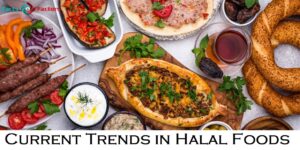
Current Trends in Halal Foods
“Conscious Halal” emerges as a distinguishing trend, going beyond religious compliance to include ethical integrity, animal welfare, fair work, and environmental stewardship. Digital traceability through blockchain replaces basic logos with verifiable “halal-proof” solutions.
Health-centric innovation is driving demand for clean-label, organic, and plant-based halal options, which appeal to wellness-conscious customers. Mandatory certification in major areas like Indonesia speeds up uptake, while e-commerce and cross-border trade increase accessibility. Non-Muslim participation is increasing because of links with hygiene, ethical sourcing, and quality.
These trends present halal meals as consistent with global ideals such as transparency, sustainability, and health.
<<<Read More News – https://fnfnewsblog.com/2972/anti-aging-pioneering-the-quest-for-youthful-vitality-and-extended-healthspan-in-2026>>>
Competitive Landscape for Halal Food Providers
The halal food business includes both global giants and specialist producers. Cargill, Nestlé, BRF S.A., JBS S.A., Tyson Foods, Unilever, and Al Islami Foods are among the major players, with dedicated facilities and certifications helping to develop halal offerings.
Regional leaders include QL Foods, Kawan Foods, Saffron Road, Midamar, and Tahira Foods, which specialize in real meat, snacks, and ready meals. Retailers like Carrefour incorporate halal sections, while startups innovate in plant-based and convenience segments.
Competition is centered on certification legitimacy, supply chain transparency, product diversity, and market access through partnerships and exports. Intense competition drives ongoing improvements in quality, innovation, and ethical behaviors.
Consumer Preferences in Halal Foods
Muslim customers stress legitimate certification, ethical slaughter, and the avoidance of haram elements, looking for reputable logos from trusted organizations. Non-Muslims prefer halal meals for perceived health benefits, cleanliness, humane procedures, and clean-label appeal, which are frequently associated with greater quality and fewer additives.
Preferences favor convenient, packaged, and ready-to-eat options, with an increasing interest in sustainable, plant-based, and organic alternatives. Transparency through digital tools and ethical claims influences purchasing decisions, especially among younger, health-conscious consumers.
Overall, demand is focused on dependable, healthful products that meet modern lifestyles.
Technological Innovations Driving Progress
Blockchain technology is being used to ensure supply chain integrity by providing end-to-end traceability. AI improves halal compliance monitoring and forecasts contamination risk.
Advanced processing technologies enable humane, efficient slaughter while adhering to religious norms. Plant-based halal alternatives use fermentation and precise fermentation to achieve authentic textures and aromas.
Digital platforms enable real-time certification verification and customer education. These advances improve efficiency, trust, and product diversity in halal foods.
Sustainability Trends and Environmental Considerations
Sustainability overlaps with halal principles by emphasizing ethical responsibility and resource stewardship. Trends include environmentally friendly sourcing, reduced waste in processing, and the use of renewable energy in facilities.
Consumers choose halal items with low environmental impact, such as water-efficient farming and sustainable packaging. Certifications are increasingly including ESG components such as fair labor and biodiversity.
Halal foods help to create greener food systems by harmonizing with larger ethical consumerism while upholding essential religious principles.
Challenges Facing Halal Foods
Lack of global uniformity leads to differences across certification agencies, limiting international trade. Fraudulent statements and phony certifications undermine confidence.
Smaller producers face high compliance and certification costs. Complexity in supply chains in non-Muslim majority nations increases the possibility of contamination.
Addressing issues through harmonization initiatives, technology, and education is critical for maintaining confidence and growth.
Future Outlook for Halal Foods
The future seems promising, with demographic trends, ethical consumption, and technological integration driving continuous growth. Halal meals are expected to gain traction as a symbol of quality and accountability.
Innovation in plant-based, functional, and traceable products will broaden product offerings. Harmonized standards and digital tools will facilitate international trade.
Halal foods provide the promise of bridging cultural gaps, promoting ethical practices, and fueling a more inclusive, sustainable food future for the world.