Sustainable Aviation Fuel: Cleaner Path for Global Air Travel
Sustainable aviation fuel (SAF) is emerging as one of the most promising solutions to reduce carbon emissions from the aviation industry. Produced from renewable feedstocks rather than fossil fuels, it can cut lifecycle greenhouse gas emissions by up to 80% compared to conventional jet fuel. As airlines face mounting pressure to decarbonize, it offers a drop-in replacement that works with existing aircraft engines and infrastructure, making it a critical tool for achieving net-zero aviation goals.
This detailed news article provides a step-by-step exploration of, covering its definition, key insights into technology use, current trends, competitive landscape, consumer preferences, technological innovations, sustainability trends, along with additional perspectives on challenges and the future outlook. With global flights expected to grow significantly, it is becoming essential for a greener aviation future.
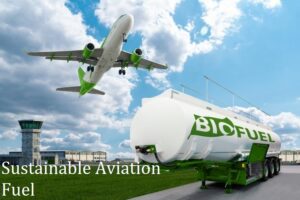
Sustainable aviation fuel refers to aviation fuel produced from renewable and sustainable raw materials such as used cooking oil, agricultural waste, municipal solid waste, algae, or non-food energy crops. It meets strict sustainability criteria, including reduced greenhouse gas emissions, no competition with food production, and protection of biodiversity.
Unlike conventional jet fuel derived from petroleum, it is a “drop-in” fuel, meaning it can be blended with traditional kerosene and used in current aircraft engines and fueling systems without modifications. Approved production pathways by ASTM International allow blends of up to 50% SAF with conventional fuel. It is chemically similar to fossil jet fuel but offers significantly lower carbon intensity across its lifecycle.
Key Insights
Sustainable aviation fuel production primarily uses several conversion technologies. Hydroprocessed Esters and Fatty Acids (HEFA) is currently the most mature pathway, converting oils and fats into hydrocarbons. Other methods include Fischer-Tropsch synthesis from biomass or waste, Alcohol-to-Jet from ethanol or isobutanol, and Power-to-Liquid using renewable electricity and captured CO₂.
Feedstock preprocessing, hydrotreating, and refining steps ensure the fuel meets strict performance and safety standards for aviation. Advanced monitoring and traceability systems using blockchain help verify the sustainability claims of each batch. These technologies enable the delivery of the high-energy density and cold-weather performance required by commercial aircraft.
Current Trends
Major airlines are signing large offtake agreements to secure future supplies. Governments worldwide are introducing blending mandates and financial incentives to accelerate production. The focus is shifting from waste oils toward more scalable feedstocks like agricultural residues and synthetic e-fuels.
<<<Read More News – https://fnfnewsblog.com/3066/dtc-wellness-testing >>>
Airports are investing in blending infrastructure, while airlines incorporate into corporate sustainability reporting. Corporate travel buyers increasingly prefer airlines with strong SAF usage. These trends indicate that it is moving from pilot projects to mainstream adoption.
Competitive Landscape
The sustainable aviation fuel market features energy majors, specialized startups, and technology developers. Leading companies include Neste, World Energy, Gevo, SkyNRG, Fulcrum BioEnergy, and Lanzatech, alongside traditional oil companies like Shell, BP, and Chevron entering the space.
Competition centers on production cost reduction, feedstock access, and securing long-term supply contracts with airlines. Technology providers differentiate through different conversion pathways and feedstock flexibility. Strategic partnerships between producers, airlines, and airports are common as the industry scales up.
Consumer Preferences
Airlines and corporate travel buyers prioritize sustainable aviation fuel that delivers genuine emission reductions with credible certification. Price remains a major factor, as SAF currently costs significantly more than conventional fuel. Passengers show growing support for greener flying when given transparent information about SAF usage.
Corporate customers increasingly demand SAF-powered flights as part of their Scope 3 emission reduction targets. Preferences lean toward fuels with high sustainability scores, traceable supply chains, and minimal land-use impact.
Technological Innovations Driving Progress
New production pathways using municipal waste, algae, and carbon capture are expanding feedstock options. Advanced catalysts and process optimization are lowering production costs and improving yields. Synthetic e-fuels produced from green hydrogen and captured CO₂ represent a long-term zero-carbon solution.
AI and machine learning are being applied to optimize refinery operations and feedstock sourcing. These innovations are crucial for making it more affordable and scalable.
Sustainability Trends and Environmental Considerations
Sustainable aviation fuel is fundamentally driven by sustainability goals. Certified fuels must demonstrate at least 50% lower lifecycle emissions while meeting strict social and environmental safeguards. Trends include moving toward waste-based and power-to-liquid fuels that avoid land-use competition.
Lifecycle assessment and certification schemes like CORSIA ensure credibility. Reducing aviation’s carbon footprint without requiring new aircraft designs offers one of the fastest ways to decarbonize flying.
Challenges
High production costs and limited supply remain the biggest barriers to widespread adoption. Feedstock availability is constrained, and scaling production to meet global demand requires massive investment. Policy uncertainty and a lack of uniform global standards slow progress.
Competition for sustainable feedstocks with other industries also creates challenges. Addressing these issues through policy support, investment, and technological breakthroughs is essential to fulfill its potential.
Future Outlook
Sustainable aviation fuel is expected to play a central role in aviation’s path to net-zero emissions by 2050. Production capacity is projected to grow rapidly with new facilities coming online and improved technologies reducing costs. Blending mandates and carbon pricing mechanisms will further accelerate adoption.
Long-term success will depend on developing abundant, low-cost feedstocks and synthetic e-fuels. As it matures, it promises to make air travel significantly cleaner while supporting continued growth in global connectivity.